
Agents learn your language
They learn your teams’ terms, shorthand, and ways of working, then create a shared understanding of what everything means.
Knowledge Engine for Product
Connect feedback, delivery work, dependencies, usage, and production health so product leaders can make and explain better tradeoffs.
Launch readiness review
I connected roadmap commitments, engineering work, dependencies, customer evidence, release health, and open approvals. I’m preparing the launch brief now.
58%
lower token cost
when using Knowledge Engine
2x
more tasks
vs. frontier models
32%
more accurate with open source
vs frontier model
19 of 34
tacit-knowledge facts captured
vs. RAG’s 1
Source: “Knowledge Engine Platform for Long-Horizon Professional Agents” and “Context Graphs for Recovering Tacit Organizational Knowledge”, Accrete AI, August 2026.
Product leaders balance customer demand, revenue commitments, engineering capacity, dependencies, quality, security, and product outcomes. The tradeoffs become hard to defend when each source tells a different part of the story.
Product cognitive fabric
Agents learn the language of the work, create the data flows that connect its systems, and build a living context graph for each request.
They learn your teams’ terms, shorthand, and ways of working, then create a shared understanding of what everything means.
They create the data flows that bring the right information together for each task, without manual setup for every source.
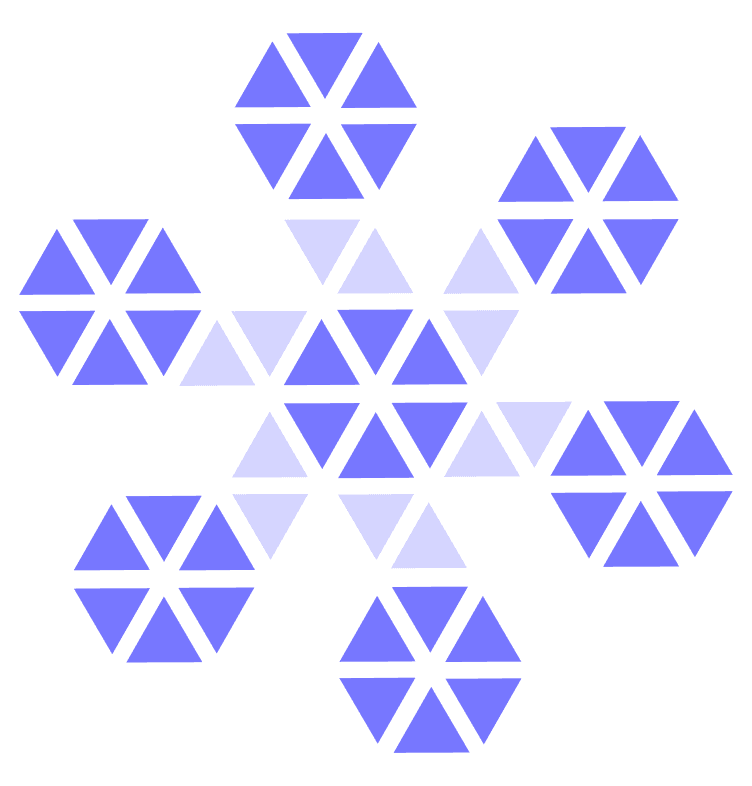
They connect people, records, decisions, and outcomes while preserving a clear path back to the source.
Connected systems
Explore 1,000+ integrations →Workflows
01
Connect feedback from support, sales, customer conversations, usage, and research; group recurring needs; and preserve the evidence behind each theme.
02
Bring commitments, capacity, technical dependencies, customer impact, security work, and decision history into one portfolio review.
03
Prepare launch-readiness briefs, status updates, risk reviews, and post-launch adoption reporting from the same source-linked context.
One end-to-end example
01
Gather customer evidence, roadmap commitments, design and engineering work, dependencies, testing, security reviews, enablement, and product telemetry.
02
Compare commitments with current work, surface blockers and downstream impact, and identify where evidence no longer supports the plan.
03
Create the launch-readiness brief, risk register, executive update, owner list, and post-launch measurement plan.
04
Keep roadmap changes, release decisions, customer commitments, and external communications behind the appropriate owner approval.
What the team gets
Recurring needs, affected accounts, product evidence, source links, and open questions ready for product review.
Commitments, capacity, blockers, risks, tradeoffs, owners, and decision history in one working artifact.
Readiness, current status, customer impact, adoption, reliability, and follow-up work connected to the release.
Context that compounds
Teams should not have to pause the work to document every lesson. The decisions they review, correct, approve, and reuse can make the next workflow better informed.
01
Priority changes, scope decisions, launch approvals, customer response, and adoption outcomes reveal which assumptions mattered.
02
Relate those decisions to feedback, roadmap items, engineering work, dependencies, releases, and product usage.
03
Teams can review why earlier tradeoffs were made and what happened afterward before setting the next priority.
Source records remain the authority. The Knowledge Engine keeps extracted evidence and inferred relationships distinguishable so people can inspect what the organization recorded and what the system derived.
The Accrete product
The Knowledge Engine connects customer evidence, planning, delivery, and outcomes so product teams can make reviewable decisions without replacing their roadmap, development, or analytics systems.
Agent Lab and Custom Skills
Refresh the evidence, surface changed assumptions and dependencies, and prepare the recurring product review.
Preserve required inputs, quality gates, owner checks, risk rules, and the executive update format.
Start with one workflow
Bring the workflow, its information sources, its approval requirements, and the result your team needs. We’ll map a focused first deployment and the path to reuse.
Discuss this workflow